Landscape Maintenance Guide for Healthier Flower Beds


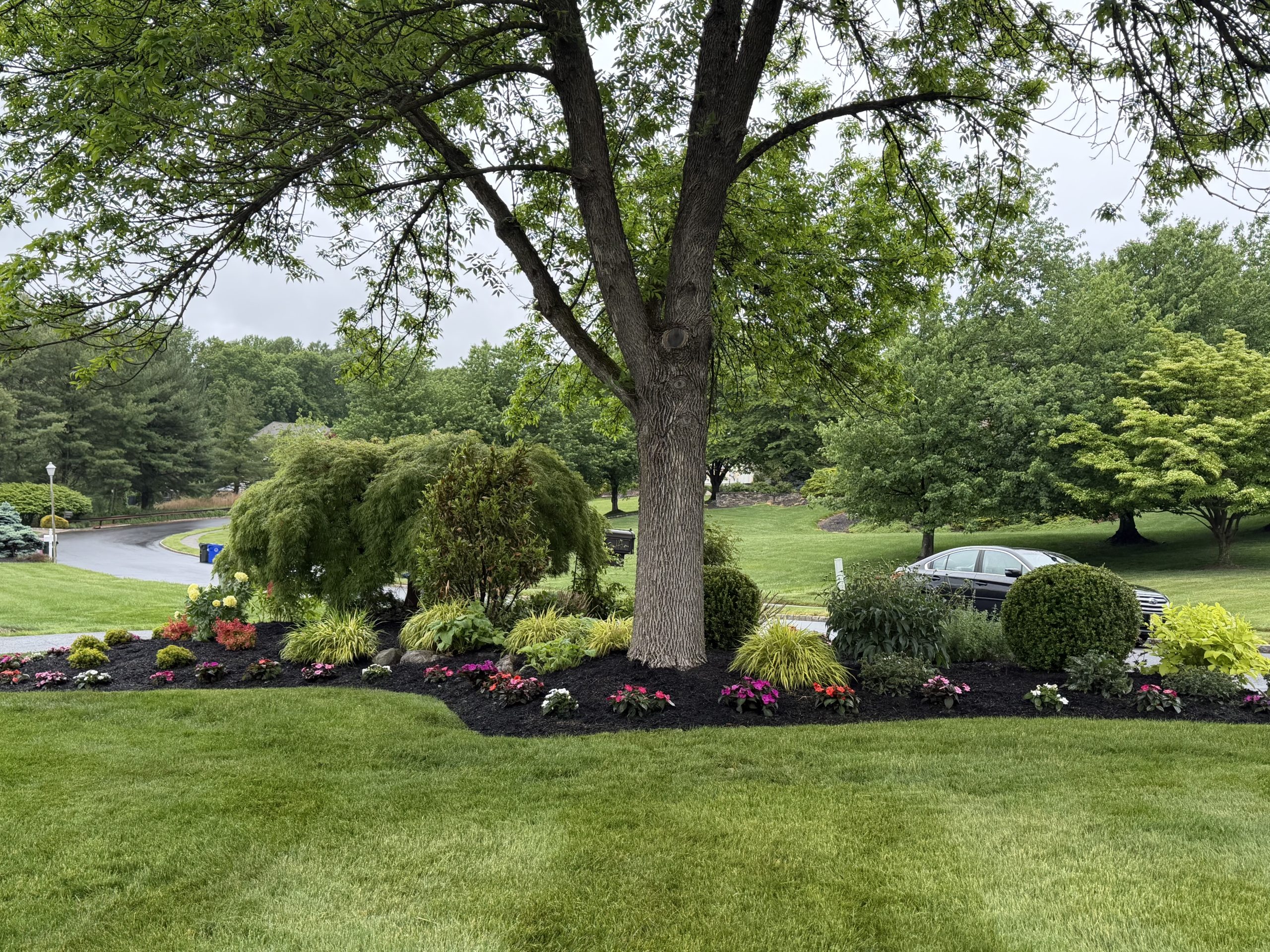
Healthy flower beds rarely happen by accident. They are usually the result of steady attention, good timing, and a willingness to respond to what the site is telling you. A bed that looked lush in May can thin out by July if the soil dries too fast, mulch is piled too deeply, or spent blooms https://manuelloyr638.publishlane.com/posts/landscape-maintenance-advice-for-healthier-trees-and-shrubs are left to sap the plant’s energy. On the other hand, a plain planting area can become one of the strongest features on a property when routine Landscape Maintenance is done with care.
After years of working around ornamental beds in residential and mixed-use landscapes, I have found that the biggest gains come from a handful of sound habits done consistently. Most struggling beds are not failing because of one dramatic mistake. They are underperforming because of several small issues that compound over time, poor water distribution, crowded roots, compacted soil, weak edging, or a maintenance routine that focuses on appearance but misses plant health.
Flower beds sit at the intersection of horticulture and presentation. They need to look clean, but they also need a root zone that supports growth. Those two goals are not always the same. It is easy to over-mulch a bed because it looks tidy, or shear plants too hard because the shape seems neater. Good maintenance means knowing when aesthetics support health and when they work against it.
What healthy flower beds actually need
Every flower bed depends on four basics: light, water, soil structure, and room to grow. If one of those is off, the rest of your maintenance can feel like catching up all season.
Light is usually the first issue to assess. Many flowering annuals and perennials need six hours or more of direct sun for strong blooming. Beds that were sunny a few years ago may now be partly shaded by maturing trees or shrubs. I have seen homeowners keep replacing sun-loving petunias in the same struggling border, when the real problem was that a maple canopy had changed the site. In those cases, no fertilizer program fixes the mismatch. Plant selection has to change, or nearby growth has to be selectively thinned.
Water is more complicated than most people expect. Flower beds do not just need water, they need it applied evenly and deeply enough to reach the active root zone. A quick daily spray wets the surface and makes the top inch of soil look fine, but many roots stay dry. Shallow watering also encourages roots to stay near the surface, where they are more vulnerable to heat stress. During warm weather, most established beds do better with less frequent, deeper irrigation than with a light sprinkle every evening.
Soil structure matters just as much as soil fertility. A bed can contain nutrients and still underperform if the soil is compacted and roots cannot move through it. Heavy foot traffic, repeated work when soil is wet, and years of top-dressing without improvement below the surface can create a dense layer that sheds water or slows drainage. Healthy soil has pore space. It holds moisture without staying waterlogged, and it allows roots to access oxygen.
Then there is spacing. Young plants often look too small at installation, which tempts people to pack them tightly. By midsummer, airflow drops, leaves stay damp longer, and disease pressure rises. Dense beds also hide weeds until they are established. A bed should fill in, but it should not become a solid mat of stems and foliage that you cannot inspect.
Start with the soil, not the fertilizer bag
When flower beds look weak, fertilizer is often the first response. Sometimes that helps, but more often the real need is better soil management. Overfeeding can push soft, fast growth that flops easily, attracts pests, or burns out under heat stress. Before adding anything, look at texture, drainage, organic matter, and root activity.
If your soil dries into a crust and sheds water, it may need compost worked into the top several inches when the season allows. If it stays sticky after rain and roots seem sparse or brown, drainage may be the issue. In established beds, broad tilling is not always practical, but topdressing with compost over time can gradually improve soil life and structure. Earthworms, crumbly texture, and consistent moisture retention are better indicators of long-term bed health than dark green growth after a heavy feeding.
pH also deserves attention, especially if certain plants repeatedly yellow between the veins or fail despite proper watering. Some ornamentals tolerate a wide range, while others are more particular. Rather than guessing, it is worth testing the soil if you are managing a bed that never seems to perform the way it should. A basic soil test often reveals whether the issue is nutrient imbalance, excess salts, or pH outside the useful range.
I once worked on a front foundation bed where annuals were replaced twice each season because they “just never took.” The irrigation was working, the light was adequate, and the plants were installed correctly. A soil test showed a pH high enough to interfere with nutrient uptake for the varieties being used. The fix was not instant, but once the soil chemistry was addressed and plant choices were adjusted, that same bed stopped being a recurring problem.
Watering: the most common weak point in Landscape Maintenance
Watering errors account for a large share of flower bed decline. The trouble is that overwatering and underwatering can produce similar symptoms at a glance. Wilting, yellowing, and poor bloom can point in either direction. You have to check the soil, not just the foliage.
A practical habit is to inspect moisture a few inches below the surface. The top can be dry while the root zone is still moist, especially under mulch. The opposite can also happen, surface looks damp from irrigation, but the deeper soil is dry because water never soaked in. In sandy soils, water moves through quickly and may need more frequent application. In clay soils, water infiltrates more slowly and must be applied carefully to avoid runoff.
Drip irrigation or low-volume soaker systems usually outperform overhead watering in flower beds. They put water where it matters and keep foliage drier, which helps reduce foliar disease. Overhead systems can still work, but they require better scheduling and nozzle placement. If one side of a bed gets soaked while another stays thirsty, plant performance will be uneven no matter how good your feeding program is.
Timing matters too. Early morning is usually best. Plants start the day hydrated, and any moisture on leaves has time to dry. Evening watering can be useful in hot climates or during heat waves, but repeated late-day wetting can increase fungal issues in dense plantings. Midday irrigation is not inherently wasteful if plants need it, but evaporation is higher and windy conditions often reduce efficiency.
Mulch should regulate the bed, not smother it
Mulch is one of the most useful tools in flower bed care, and one of the most abused. Used well, it moderates soil temperature, slows evaporation, suppresses weeds, and gives the bed a finished appearance. Used badly, it can trap moisture against crowns, reduce oxygen at the surface, and create conditions that invite rot and shallow rooting.
For most ornamental beds, a mulch depth of about two to three inches is enough. More than that often causes trouble, especially around small perennials and annuals. Mulch should not be packed tightly against stems or piled over crowns. Plants need breathing room at the base. This is especially important after rainy periods, when excessive mulch can keep the lower stem area constantly damp.
Organic mulches, such as shredded bark or composted wood products, tend to be the best fit for flower beds because they improve the soil gradually as they break down. But even good mulch needs maintenance. It mats, shifts, and decomposes. Some years call for a light refresh, not a whole new layer. I often see beds that receive more mulch every spring without removing the old accumulation. After several seasons, the bed surface sits unnaturally high and plant crowns are buried. The result looks tidy from the street and unhealthy up close.
Color-enhanced mulch is largely a visual choice, but it is worth buying from a reliable source. Poor-quality material can include oversized wood pieces or contaminants that do not belong in planting beds. The neatest bed is not necessarily the healthiest one. Aim for even coverage and proper depth, not a thick blanket.
Weeding is easiest when done before it looks necessary
A healthy flower bed loses vigor quickly when weeds are allowed to establish. Weeds compete for water, nutrients, and root space. They also spoil the visual rhythm of a bed, which means people often notice them only after they are large enough to pull significant moisture and fertility from the soil.
The best weeding is regular, light weeding. A quick pass once a week is easier on the bed and the crew than a major cleanout once the area is overrun. Young weeds come out with minimal disturbance. Mature weeds often break at the stem, leaving roots behind, or force you to disturb nearby ornamentals.
Weeding after irrigation or light rain can help in heavier soils, but avoid working a bed when the soil is saturated. That is one of the fastest ways to compact the root zone. A stirrup hoe or hand knife can be useful in open spaces between plants, though in dense perennial beds hand removal is often the cleaner choice. Herbicides have their place, particularly on persistent perennial weeds, but spot use requires judgment. One drift event near tender ornamentals can create more work than the weeds did.
There is also value in recognizing what the weeds are telling you. If crabgrass keeps invading the same thin, sunny edge, the real issue may be bare soil and declining plant coverage. If moss forms in a bed, that can point to shade, compaction, or chronic moisture. Weeds are a maintenance problem, but they are also site indicators.
Pruning, deadheading, and the difference between grooming and damage
Flower beds benefit from grooming, but every plant does not want the same kind of pruning. This is where generic maintenance routines often do more harm than good. Shearing everything to a uniform shape may look efficient for a day, but it can destroy flower buds, create weak regrowth, or expose plants to sunscald.
Deadheading is one of the simplest ways to keep many flowering plants productive. Removing spent blooms redirects energy away from seed production and often encourages more flowers. Some annuals respond dramatically to this. Others are self-cleaning and barely need attention. Knowing which is which saves time.
Perennials benefit from selective cutting rather than blanket trimming. A faded flower stalk can come out cleanly at the base or back to a healthy set of leaves, while the rest of the plant stays intact. When a clump gets too large or starts opening in the center, division may be the answer, not harder pruning. Many gardeners keep cutting a tired perennial lower each year, when the better move is to lift, divide, improve the soil, and reset the spacing.
Shrubs mixed into flower beds require special care because bloom timing matters. If you prune spring-flowering shrubs too late, you remove next year’s buds. Summer bloomers are usually more forgiving. This is why maintenance calendars should follow plant biology, not just labor availability.
Feeding plants without pushing them too hard
Fertilizer can help flower beds, but it should support growth rather than force it. Excess nitrogen often creates lush foliage and fewer blooms, especially in beds where annual color is the main goal. In perennials, overfeeding can produce floppy stems that need staking or collapse after rain.
Slow-release products tend to be safer for routine use than heavy applications of quick-release fertilizer. They provide a steadier supply and reduce the chance of burn. Compost also plays a valuable role here. It does not replace all fertility needs, but it supports microbial activity and improves the soil in a way synthetic feeding alone cannot.
Reading the plants matters more than following a rigid schedule. A vigorous bed in good soil may need little supplemental feeding beyond compost and a moderate seasonal application. A high-turnover annual bed with aggressive bloom demand may require more support. Containers and in-ground beds should not be treated the same way either, even when the plants are similar. Pots dry faster and lose nutrients differently.
If you are unsure whether feeding is warranted, examine leaf color, growth rate, bloom quality, and recent weather. A stressed plant in dry soil does not need more fertilizer first. It needs proper moisture and root recovery.
Seasonal rhythm that keeps beds healthy
A flower bed stays healthier when maintenance follows the season instead of reacting to visible decline. The exact calendar shifts with climate, but the basic rhythm is dependable.
- Early spring is the time to clean winter debris, cut back what should be reduced, topdress with compost if needed, edge the bed, and inspect irrigation before active growth begins.
- Late spring is when weeds accelerate, mulch is refreshed lightly, annuals are planted, and emerging pest or disease issues are easiest to catch.
- Summer demands moisture monitoring, deadheading, selective pruning, and a close eye on stress after heat waves or heavy rain.
- Early fall is ideal for dividing overcrowded perennials, replacing tired plants, and correcting soil issues while roots still have time to establish.
- Late fall should focus on sanitation, removing diseased material, protecting tender crowns where needed, and shutting down irrigation correctly.
That sequence sounds simple, but it prevents many expensive problems. Beds that receive thoughtful spring preparation and steady summer observation usually need fewer dramatic interventions later.
Watching for stress before the bed declines
The strongest maintenance crews and gardeners notice small changes early. Once a whole bed looks bad from a distance, the issue is already established. Subtle signs show up first, often in one section or with one species.
Here are a few warning signs worth treating seriously:
- Leaves that wilt by midmorning even when the soil is moist can point to root damage, crown rot, or vascular disease.
- Yellowing concentrated between leaf veins may indicate nutrient lockout, pH issues, or chronic overwatering.
- Patchy bloom across plants of the same type often suggests uneven irrigation or inconsistent light.
- Blackened stems at the base usually signal excess moisture against crowns, poor airflow, or mulch packed too tightly.
- A bed that needs constant weeding in the same spots may have thin plant coverage, disturbed soil, or failing mulch depth.
The earlier you investigate these patterns, the easier the correction tends to be. Small problems are still localized. Large ones usually involve plant replacement, soil repair, and a reset of the maintenance routine.
Pest and disease pressure often starts with maintenance choices
Pests and diseases are real threats, but they are often enabled by avoidable conditions. Stressed plants attract trouble. Crowded beds stay wet longer. Overfertilized growth is softer and more appealing to certain insects. Weak sanitation leaves infected material in place.
Aphids, spider mites, powdery mildew, and various leaf spots are common enough in ornamental beds, but the best first response is not always a spray. Check spacing. Check irrigation timing. Remove infected tissue if practical. Improve airflow. Confirm whether the issue is cosmetic or truly weakening the plant. Some damage looks alarming but does not justify aggressive treatment.
That said, hesitation can also become a problem. If a disease is spreading rapidly through a mass planting, or if insects are distorting new growth extensively, prompt action matters. Integrated management works best: identify the issue, reduce the conditions that favor it, and use targeted treatment when needed. Blanket applications made on guesswork usually waste time and money.
One property I visited each summer had recurring mildew on the same phlox bed. The owner assumed the plants were simply prone to it. They were, to a degree, but the deeper issue was that nearby shrubs had grown in and cut airflow dramatically. Selective thinning, a less crowded perennial layout, and watering adjustments reduced the problem more than fungicide ever had.
Edging and bed definition are more than cosmetic
Crisp bed edges make a property look maintained, but they also help preserve the health of the planting area. Defined edges reduce turf creep, keep mulch where it belongs, and make it easier to water the right zone without runoff. Grass invading a flower bed is not just messy. It competes aggressively at the edge, where many ornamental roots are already dealing with hotter, drier conditions.
The best edging style depends on the site. A simple cut edge can look excellent if it is maintained regularly. Metal, stone, or composite edging can add permanence, especially where bed lines must stay precise. The trade-off is that hard edging can interfere with natural adjustments later if the bed needs to expand or change shape. There is no universally best choice, only the right one for the maintenance level you can sustain.
What matters most is consistency. A clean edge allows the bed to read as intentional, and that often leads to better care overall. People are more likely to notice and correct small issues in a bed that already looks well managed.
When to renovate instead of maintain
Some flower beds are past the point where routine maintenance alone will restore them. If plants are chronically overcrowded, soil has become depleted or compacted, irrigation is poorly designed, and the planting plan no longer suits the light conditions, renovation is usually more efficient than constant patching.
Renovation does not always mean starting from scratch. Sometimes it means lifting and dividing perennials, removing underperformers, resetting grades, improving soil, and simplifying the plant palette. In other cases, full removal is justified because the layout itself creates recurring problems. Beds with too many species often look interesting on planting day and chaotic by year three. Maintenance becomes guesswork because every plant wants something different.
A well-renovated bed is easier to care for because the design supports the maintenance plan. Plants are chosen for the actual site conditions, not the original wish list. Mature size is respected. Bloom sequence is considered. Irrigation reaches all zones. The result is not just prettier, it is more durable.
The value of observation over routine
Good Landscape Maintenance is not a set of chores performed blindly on a schedule. It is a pattern of observation followed by timely, proportionate action. The same task can help or hurt depending on when it is done and what the bed actually needs.
That is why experienced gardeners often walk a bed before they touch it. They look for soft spots, insect activity, fading bloom, stem crowding, and uneven moisture. They notice whether one corner dries faster because of reflected heat off a walkway, or whether a downspout is oversaturating another section. Those details rarely show up on a generic maintenance checklist, but they are exactly what determine whether a flower bed thrives.
Healthy beds are usually the quiet success stories of a landscape. They do not demand emergency replacements every few weeks. They hold color longer, recover faster after weather stress, and frame the rest of the property well. Achieving that kind of performance is less about grand gestures and more about disciplined care, sound horticultural judgment, and respect for the way plants actually grow.
Majestic Mowing & Landscaping LLC
Phone number: +19733975532
FAQ About Landscape Maintenance
What is landscape maintenance?
Landscape maintenance is the ongoing care, cleaning, and upkeep of outdoor green spaces to keep them healthy, safe, and attractive.
Is $100 an hour too much for landscape work?
An hourly rate of $100 is not too much for specialized or professional landscape work, though it sits at the higher end of the standard pricing spectrum.
How much do landscapers charge for maintenance?
For professional landscaping maintenance, homeowners typically pay $100 to $410 per month for recurring services, or an hourly labor rate of $50 to $100 per hour per crew member.