Landscape Maintenance Essentials for Safer Outdoor Environments
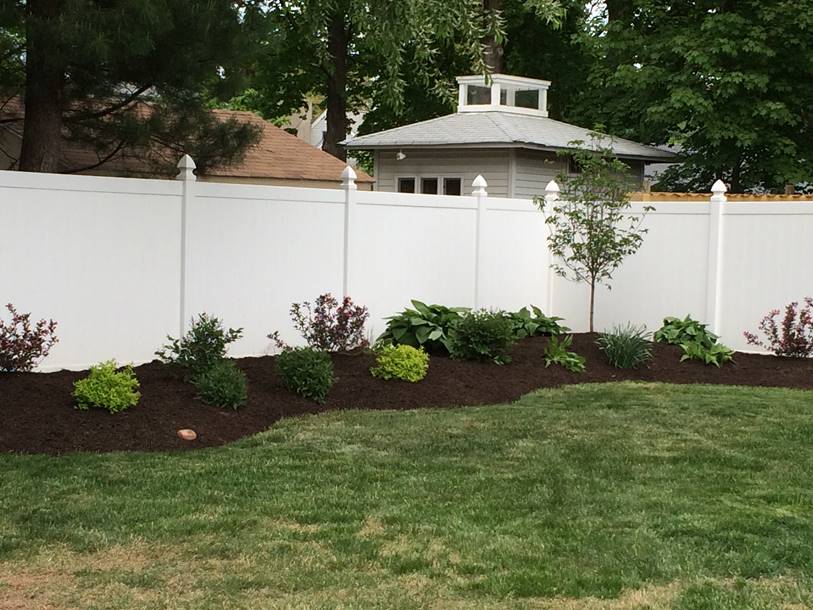

A well-kept landscape does more than improve curb appeal. It shapes how people move, where they pause, what they can see, and whether they feel secure using an outdoor space. In residential communities, schools, office campuses, retail centers, and public facilities, safety often depends on details that are easy to overlook until something goes wrong. A cracked walkway hidden by overgrowth, a limb weakened by drought stress, pooled water near an entrance, or poor sightlines at a parking lot corner can turn an ordinary property into a liability.
That is why Landscape Maintenance deserves to be treated as a safety function, not simply a cosmetic service. The most effective programs are not built around appearances alone. They are built around risk reduction, predictable performance, and seasonal judgment. Anyone who has managed a property through a wet spring, a dry summer, storm cleanup, or winter icing knows that landscapes are dynamic. They change quickly, and small maintenance delays can create larger https://paxtonjzjq484.brightsora.com/posts/landscape-maintenance-mistakes-that-can-damage-your-yard problems in a matter of days.
The safest outdoor environments usually do not look dramatic or overmanaged. They look clear, stable, and intentional. Paths remain open. Trees are balanced and healthy. Surfaces drain properly. Lighting is not blocked by shrubs. Groundcover does not spill into travel routes. These outcomes are not accidental. They come from a maintenance plan that respects how landscapes behave over time.
Safety starts at ground level
Most outdoor injuries on managed properties have little to do with rare disasters and a great deal to do with ordinary neglect. Slip, trip, and fall hazards account for a large share of incidents, and many of them begin at ground level. Uneven pavers, heaved roots, eroded mulch, loose gravel, and slick algae growth on hardscape surfaces are common examples. What makes them particularly troublesome is that they often develop gradually, which means people stop noticing them until someone gets hurt.
Walk every property after rain and a different set of problems comes into view. Low spots reveal themselves. Mulch migrates into sidewalks. Fine sediment coats concrete and creates a slippery film. Turf edges soften and creep into path widths. In shaded areas, moisture lingers long enough to support moss and mildew. A landscape team that only visits with mowing and blowing equipment will miss the larger pattern. A team trained to inspect surfaces while maintaining them will catch issues before they become claims.
There is also a practical relationship between plant choices and pedestrian safety. Aggressive groundcovers may soften a bed edge beautifully, but if they spill onto steps or narrow a walkway, they become a hazard. Thorny shrubs placed near gathering areas or along paths can snag clothing, scratch skin, and make emergency access difficult. Decorative rock can look tidy in a dry climate, but if pieces scatter onto pavement, footing becomes unpredictable. Good maintenance is partly about preserving design intent, but it is equally about adjusting the landscape as real use patterns emerge.
Trees are assets until they are ignored
Trees provide shade, cooling, screening, and character. They can also create one of the most serious safety exposures on a property when maintenance is deferred. Mature trees need more than occasional trimming. They need monitoring for deadwood, weak branch unions, storm damage, pest stress, and root zone disruption. A tree may remain green and leafed out while carrying structural defects that are not obvious to an untrained eye.
One of the most common mistakes in landscape maintenance is treating tree pruning as a simple appearance task. Over-thinning can make a tree more vulnerable to sunscald and stress. Topping creates weak regrowth and long-term instability. Ignoring low limbs over walkways and drive lanes leads to visibility and clearance issues. Proper pruning improves structure, reduces breakage risk, and preserves line of sight without compromising the health of the tree.
After storms, property managers often focus on debris removal and overlook hanging limbs, trunk splits, and partially uprooted specimens. Those are not just horticultural concerns. They are urgent safety concerns. Even minor impact events can destabilize a branch over a playground, parking area, or entrance. In high-traffic spaces, the interval between inspections matters. A quarterly visit may be fine for a low-use site with young plantings. It is not enough for an older property with large canopy trees, heavy foot traffic, and weather exposure.
Experience also teaches that root systems deserve more attention than they usually get. Compacted soil, trenching for utilities, and repeated mower damage around trunks can all weaken a tree over time. Sometimes the first visible warning is a lifted sidewalk or a subtle lean. By then, the problem is no longer limited to the tree. It affects pavement, drainage, accessibility, and public safety all at once.
Clear sightlines make spaces feel and function better
People judge outdoor safety quickly. They notice whether they can see around corners, whether shrub masses create hiding spots, and whether lighting reaches the ground. They may not describe these issues in technical terms, but they respond to them instinctively. A landscape that obstructs views can make a space feel insecure even before it becomes physically unsafe.
This issue comes up often around parking lots, building entrances, monument signs, mailbox clusters, and intersections within residential communities. Shrubs that looked modest when installed can easily grow above the intended height and block drivers, pedestrians, or security cameras. Ornamental grasses can arch into light fixtures. Vines can climb poles and reduce light output. Low tree canopies can cast heavy shadows where people need visual clarity.
A useful rule in practice is to think about the landscape from seated height, standing height, and vehicle height. Each perspective reveals different blind spots. A hedge that seems neatly maintained from a mower’s viewpoint may block a child from being seen near a crossing. A parking lot island with dense plant material may force drivers to inch forward into a lane to check traffic. These are design and maintenance problems working together. Good crews notice both.
When pruning for visibility, the goal is not to strip a site bare. The goal is to preserve openness where people move and where security depends on clear lines of sight. That usually means keeping lower limbs raised appropriately, maintaining shrubs below sightline-critical heights in certain zones, and preventing planting beds from invading edges, signs, and fixture bases.
Water management is a safety issue, not just a horticulture issue
Drainage failures rarely stay in one category. Water that does not move correctly affects plant health, hardscape life, pest pressure, and public safety all at once. A puddle near a main entrance can turn into slippery algae in warm weather and black ice in cold weather. Persistent overspray from irrigation can leave sidewalks slick and accelerate surface deterioration. Saturated turf beside a path can collapse underfoot and create unstable edges.
The challenge is that many water-related hazards are dismissed as temporary. A property staff member may say a corner “always stays wet” or a walkway “dries out eventually.” Over time, those excuses become normal operating conditions. They should not. Chronic standing water is a maintenance signal that something upstream needs correction. It may be a clogged drain, compacted soil, a misaligned sprinkler head, a broken valve, grading settlement, or a bed edge that traps runoff instead of directing it.
Irrigation deserves special attention here. Systems installed for plant health often continue running long after plant needs have changed. Shrubs mature, tree canopies increase shade, and seasonal weather shifts, but controller settings stay untouched. The result is wasted water and avoidable hazards. Sprinkler heads throw onto pavement, drip lines leak unnoticed under mulch, and saturated areas invite mosquitoes or root disease. The safest and most efficient properties review irrigation not just for coverage, but for where the water lands and what conditions it creates.
In one office park setting, a recurring slip hazard near a side entrance was eventually traced to a tiny irrigation leak inside a planting bed. Every cycle, water moved downhill beneath the mulch and surfaced on the concrete. Staff had pressure-washed the walkway several times and blamed morning dew. The real fix took less than an hour, but only after someone followed the wet trail back into the landscape.
Seasonal timing changes the risk profile
Landscape maintenance is never static. Risks shift with the calendar, and the safest programs adjust before conditions force a reaction. Spring often brings rapid growth, hidden winter damage, washouts, and drainage problems. Summer stresses trees, irrigation systems, and crews working in high heat. Fall introduces leaf buildup on stairs, parking lots, and drains. Winter turns minor moisture issues into ice hazards and exposes the consequences of deferred pruning.
Properties that perform well year-round usually have a seasonal inspection rhythm rather than a single generic service schedule. That rhythm does not need to be elaborate, but it should reflect the way landscapes actually behave.
- Spring should focus on drainage, trip hazards, early pruning corrections, and sightline recovery after the first flush of growth.
- Summer should prioritize irrigation performance, tree stress monitoring, weed control around paths, and heat-related decline in high-use turf areas.
- Fall should target leaf accumulation, branch load concerns, lighting obstruction, and clearing drains before major storms.
- Winter should center on limb failure risk, ice-prone pavement zones, dormant pruning where appropriate, and access routes that must remain clear.
This kind of seasonal framing helps maintenance teams stop treating every visit as the same task repeated. It also improves budgeting because urgent work becomes easier to anticipate. If you know leaves clog two particular drains every November, there is no reason to wait for a flood event to prove the point again.
The hidden cost of deferred maintenance
Deferred landscape maintenance rarely saves money for long. It usually shifts cost from routine care into emergency response, repair work, or liability exposure. A shrub bed left unedged for months may seem harmless, but if it narrows an accessible route and forces pedestrians onto uneven turf, the true cost is no longer limited to horticulture. A missed pruning cycle can turn a straightforward visit into a more expensive corrective project. Drainage neglected for one season can undermine pavement and create a capital repair issue instead of a maintenance one.
There is also a labor efficiency argument that experienced crews understand well. It is far less expensive to maintain a landscape at the right interval than to reclaim one that has drifted out of control. Once vines engulf fencing, volunteer saplings establish in beds, or weeds seed heavily across open mulch, every future visit becomes slower and more expensive. Safety suffers at the same time because crews are forced into reactive mode. They are removing immediate obstacles instead of improving the overall condition of the site.
On larger properties, deferred maintenance often shows up first in the margins. Perimeter zones, back entrances, loading areas, utility corridors, and remote paths tend to receive less attention than front-facing spaces. Unfortunately, these are often the places where staff, contractors, and residents take shortcuts or travel early and late in the day. If a site has weak maintenance discipline in low-visibility areas, it usually has hidden safety problems waiting to be found.
Training crews to notice what mowing alone will never solve
A reliable maintenance program depends on observation as much as execution. Crews who understand the safety implications of what they see provide far more value than crews who simply complete a task list. That does not mean every worker needs advanced arboricultural or engineering expertise. It means they should know what to flag, document, and escalate.
The most effective teams are taught to connect symptoms with consequences. A low branch is not just a branch, it is a head strike risk and a sightline issue. Exposed roots are not just a tree feature, they are a trip hazard and possible sign of soil loss. A leaning retaining wall is not just an aesthetic defect, it may indicate drainage pressure and future collapse. These habits can be taught, and they make a major difference.
A practical field checklist usually includes just a few categories:
- walking surfaces and edges
- visibility around paths, entries, and traffic points
- tree condition and overhead hazards
- irrigation leaks, overspray, and standing water
- lighting obstruction and access clearance
That kind of checklist is short enough to use and specific enough to matter. It also helps create better communication between landscape contractors, facility staff, and property managers. Too many issues persist because they are seen by one party, assumed to belong to another, and never clearly reported.
Design intent should never outrank safe use
Some safety problems begin with maintenance, others begin with design choices that looked good on paper. Dense ornamental grasses along a narrow path, decorative boulders in a play-adjacent area, thorny plants under windows that also border service routes, or steeply mounded beds near parking stalls may all create maintenance burdens that gradually become safety burdens. Once those choices are installed, the maintenance team inherits them.
That does not mean every challenging design should be ripped out. It means maintenance professionals should be willing to recommend modifications when a feature repeatedly creates risk. Sometimes a plant swap solves the issue. Sometimes widening a bed edge or changing mulch type is enough. Sometimes the right answer is to accept a less dramatic visual effect in exchange for safer circulation and easier upkeep.
This is especially important in spaces used by children, older adults, or people with mobility limitations. Loose surface materials, abrupt grade transitions, branch height, and route width all matter more in these settings. A landscape that is technically attractive but difficult to navigate safely is not successful.
Documentation matters when conditions change quickly
Good maintenance protects people first, but it also protects organizations. Documentation helps show that risks were observed, communicated, and addressed within a reasonable timeframe. On busy properties, conditions can change between visits because of storms, vandalism, contractors, or heavy use. Without records, recurring issues blend together and urgent ones are easier to miss.
Documentation does not need to be complicated. Clear photos, dated notes, marked site maps, and short action summaries are usually enough. The important part is consistency. If a tree was flagged for arborist review, that note should not disappear into email. If a sidewalk edge is deteriorating because roots are pushing from below, the landscape team should not be expected to “manage around it” indefinitely without a formal repair recommendation.
This habit also improves budgeting conversations. It is much easier to justify pruning, drainage correction, or plant replacement when there is a record showing repeat cleanup, repeated complaints, or visible progression of a hazard. Safety work often loses out when it is framed as aesthetic preference. Documentation reframes it as operational necessity.
Safer landscapes are maintained with intent
The strongest landscape maintenance programs do not chase perfection. They aim for control, visibility, and resilience. They understand that plants grow, weather shifts, surfaces settle, and traffic patterns change. They also understand that most outdoor hazards send warning signals early, if someone is paying attention.
A safer outdoor environment is usually the result of ordinary discipline practiced well. Trees are inspected before failure, not after. Drainage is corrected when pooling begins, not after slip complaints. Shrubs are pruned to preserve sightlines before they block them. Walks are evaluated as circulation routes, not just as edges to blow clean. Crews are expected to think, not merely to trim.
That approach is what separates basic grounds care from professional Landscape Maintenance. One keeps a property presentable. The other helps keep people safe while preserving the long-term value of the site. For owners and managers responsible for outdoor environments, that distinction matters every day people step outside.
Majestic Mowing & Landscaping LLC
Phone number: +19733975532
FAQ About Landscape Maintenance
What is landscape maintenance?
Landscape maintenance is the ongoing care, cleaning, and upkeep of outdoor green spaces to keep them healthy, safe, and attractive.
Is $100 an hour too much for landscape work?
An hourly rate of $100 is not too much for specialized or professional landscape work, though it sits at the higher end of the standard pricing spectrum.
How much do landscapers charge for maintenance?
For professional landscaping maintenance, homeowners typically pay $100 to $410 per month for recurring services, or an hourly labor rate of $50 to $100 per hour per crew member.