Eco-Friendly Landscape Maintenance Methods That Really Work
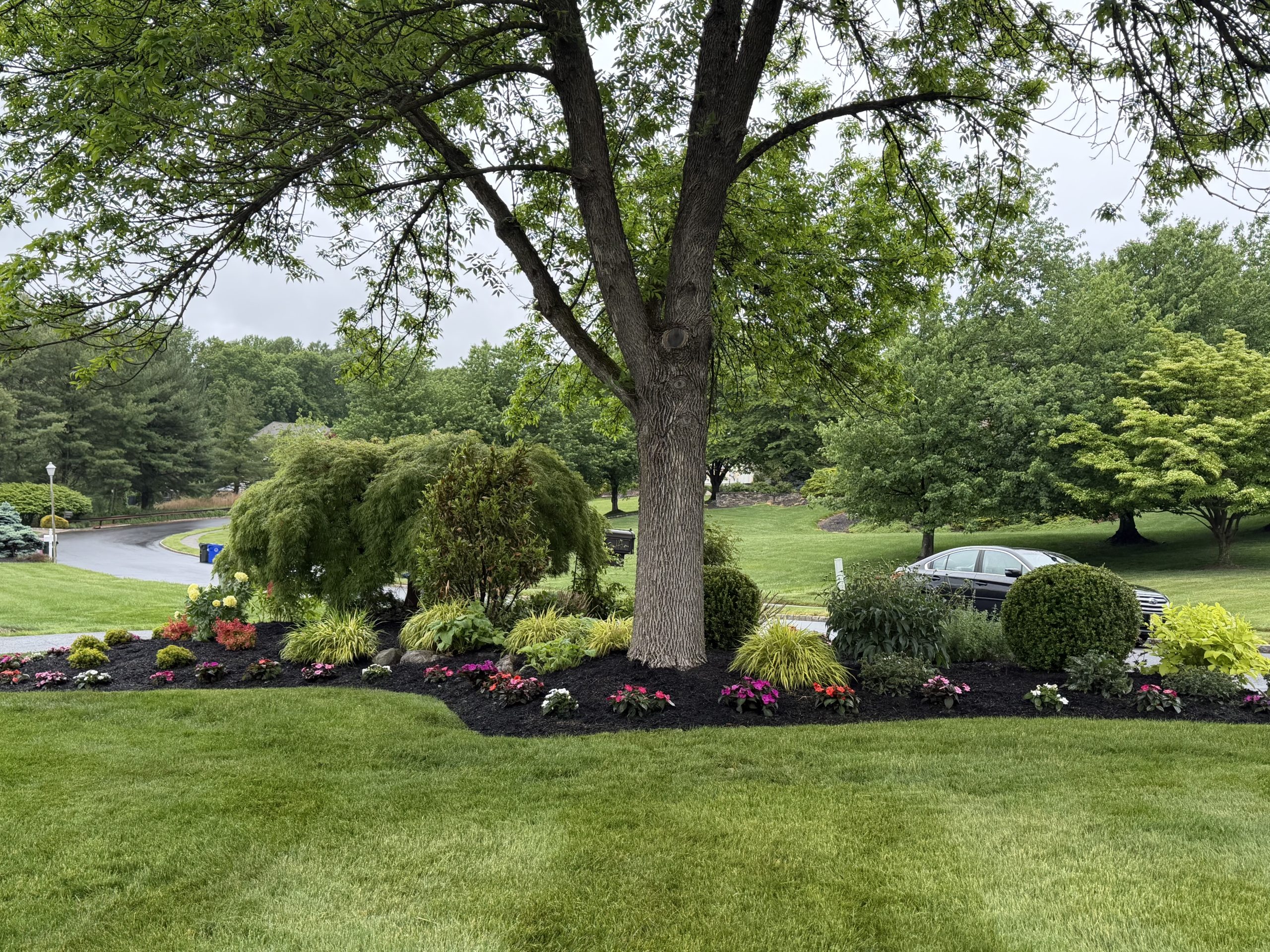
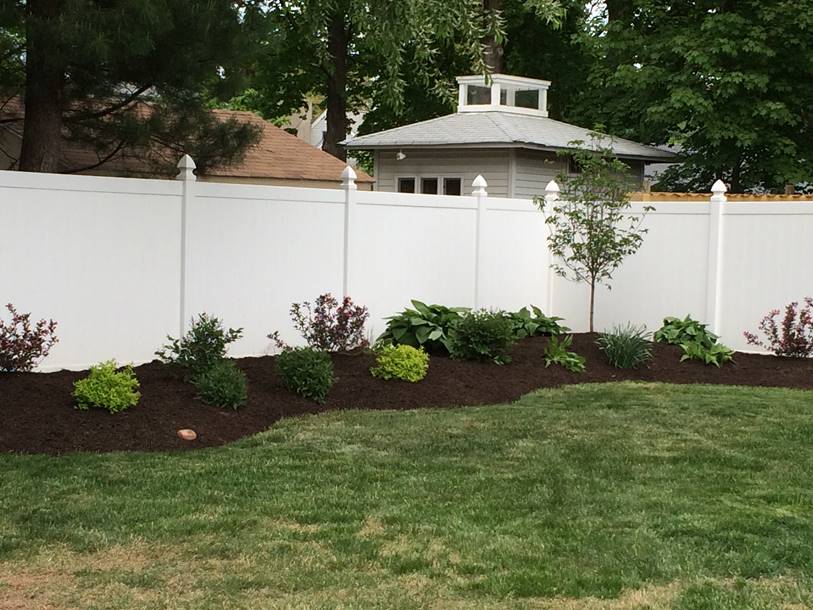

Good landscape maintenance is not just about keeping a property neat. It is about managing living systems so they stay healthy, resilient, and attractive over time. When that work is done with ecology in mind, the results are often better, not just greener on paper. Lawns need less rescue watering. Beds hold their shape longer. Plants show fewer stress symptoms in summer. Maintenance crews spend less time correcting preventable problems.
That is the part many property owners miss. Eco-friendly methods are often treated like a compromise, as if sustainability means accepting a rougher look or slower results. In practice, the opposite is usually true. The most reliable landscapes I have seen, whether in residential gardens, apartment communities, or commercial sites, were maintained with a steady respect for soil biology, water use, plant selection, and timing. They looked polished because the maintenance strategy worked with the site instead of fighting it.
The phrase Landscape Maintenance can cover everything from mowing and pruning to irrigation repair and seasonal cleanup. If the goal is to make those tasks more sustainable, the starting point is simple: reduce waste, protect plant health, and build conditions that let the landscape carry more of the load itself.
Start with the soil, because everything else depends on it
Most maintenance problems trace back to the root zone. Weak turf, scorched shrubs, recurring fungus, poor flowering, and chronic runoff often look like separate issues. They are not. They are signs that the soil is compacted, depleted, too wet, too dry, or badly matched to what is growing in it.
Healthy soil acts like a sponge and a pantry. It stores moisture, holds nutrients in forms plants can access, and supports microbial life that helps roots function well. When soil is compacted by foot traffic, heavy mowing equipment, or repeated construction disturbance, water starts running off instead of soaking in. Roots stay shallow. Plants become dependent on frequent irrigation and fertilizer. That is when maintenance gets expensive and environmentally messy.
One of the most effective changes in eco-friendly landscape maintenance is regular topdressing with compost in planting beds and, where appropriate, on turf. Not thick layers, just enough to improve organic matter over time. On lawns, even a quarter inch can make a visible difference if the soil is tired. In shrub borders, a light incorporation near the surface, followed by mulch, often improves water retention enough to reduce summer stress.
Soil testing also deserves more respect than it gets. People routinely spend thousands replacing struggling plant material while never testing pH or nutrient balance. I have seen hydrangeas fail because the soil stayed alkaline from concrete leaching nearby. I have seen lawn care programs dump nitrogen on turf that actually needed aeration and potassium. A modest soil test is less glamorous than a truckload of new plants, but it solves the right problem.
Mulch is one of the best tools on the site, if it is used correctly
Mulch does several jobs at once. It moderates soil temperature, reduces evaporation, slows weed germination, cushions soil from pounding rain, and gradually improves structure as it breaks down. Those are direct environmental wins because they reduce irrigation demand, herbicide pressure, and erosion.
The mistake is assuming more mulch is always better. It is not. Volcanoes piled around tree trunks invite decay, insect issues, and root problems. Beds buried too deeply can shed water rather than absorb it. The sweet spot for most organic mulches is usually around two to three inches, kept back slightly from stems and trunks.
Shredded bark, arborist wood chips, pine fines, and leaf mold can all work well, depending on the site. Arborist chips are especially underrated for tree rings and naturalized areas. They are often local, affordable, and excellent for feeding soil life as they decompose. In formal front-entry beds, a more uniform bark may give a cleaner visual finish, but functionally the goal is the same.
One commercial property manager I worked with insisted on replacing mulch twice a year because the beds had to look freshly installed. The crew was effectively burying irrigation emitters and suffocating the crowns of perennials. We shifted to one proper application, light touch-up only where needed, and better edging. Water use dropped noticeably that summer because the mulch layer finally stabilized instead of being repeatedly disturbed.
Water less often, but far more intelligently
No part of eco-friendly landscape maintenance has more impact than irrigation management. Water waste is common, and often invisible until utility bills spike or fungal disease sets in. Heads spray pavement. Timers run in the rain. Shrubs receive the same schedule as turf, even though their needs are entirely different.
The fix is not simply watering less. The fix is watering according to plant type, soil condition, sun exposure, and season. Deep, infrequent irrigation generally encourages deeper roots than daily shallow cycles. Drip irrigation or low-volume emitters in beds can be dramatically more efficient than overhead spray. Smart controllers tied to weather data can help, but they are not magic. They still need periodic adjustment and field checks.
Hydrozoning is one of the smartest moves on any property. Plants with similar water needs should be grouped together so they can be irrigated appropriately. That sounds obvious, yet landscapes are often designed for appearance first, then maintained under a one-size-fits-all schedule. The result is overwatered drought-tolerant plants and underwatered thirstier ones.
A practical irrigation audit should cover a few basic questions:
- Are sprinkler heads aimed correctly and operating evenly?
- Is runoff occurring before water has time to infiltrate?
- Do turf areas and planting beds have separate zones?
- Are schedules adjusted for season, rainfall, and heat?
- Are there signs of chronic overwatering, such as algae, fungus, or yellowing foliage?
Even a quick review along those lines catches a surprising number of problems. On larger sites, the savings can be substantial. On residential properties, the bigger gain is usually plant performance. Healthier roots mean fewer emergency replacements during hot weather.
Plant selection determines whether maintenance stays sustainable
A landscape can only be low impact if the plants belong there, at least in practical terms. That does not mean every site must be planted exclusively with natives, though native species often perform very well and support local insects and birds. It means the palette should suit the climate, soil, drainage, and exposure.
If a property repeatedly loses boxwoods to disease pressure, forcing more boxwoods into the same conditions is not tradition, it is stubbornness. If the west side of a building turns into a heat reflector by July, shade-loving plants there will become a maintenance problem no matter how much water is applied. Good eco-friendly landscape maintenance includes the willingness to edit plant choices that no longer make sense.
Climate-adapted plants reduce inputs naturally. They usually need less supplemental water once established. They often show better resistance to regional pest pressure. Their growth habit suits local seasonal rhythms, which means less corrective pruning and fewer rescue treatments.
Native grasses, durable perennials, disease-resistant shrub varieties, and regionally proven groundcovers all have a place in this conversation. So do trees selected for mature size and site tolerance. Planting a large shade tree directly under power lines guarantees repeated hard pruning and long-term stress. A smaller species may be the more sustainable choice, even if it is less dramatic on day one.
There is also an aesthetic point worth making. Sustainable landscapes do not need to look wild or unkempt. A bed can contain ecologically useful plants and still feel intentional. Repetition, clean bed lines, layered heights, and seasonal structure matter. A restrained design maintained well often reads as more professional than a high-input planting scheme that constantly struggles.
Mow with purpose, not habit
Lawn maintenance is where many eco-friendly intentions fall apart. Turf is frequently cut too short, too often, and with dull blades. Clippings are bagged and hauled away. Fertilizer is applied by calendar instead of condition. All of that weakens the lawn and increases the need for more intervention later.
Mowing height matters more than most people realize. Taller grass blades shade the soil, reduce evaporation, and support deeper roots. Scalped lawns expose the crown, invite weeds, and heat up fast. For many cool-season grasses, mowing in the range of about three to four inches is healthier than the close-cropped look some clients still request. Warm-season grasses have different ideal heights, but the same principle applies: do not remove so much leaf tissue that the turf is stressed every week.
Grasscycling, which simply means leaving properly sized clippings on the lawn, is another easy win. Those clippings break down quickly and return nutrients to the soil. When the lawn is being mowed on a sensible schedule, they do not create thatch. That misconception lingers, but in field conditions, thatch is more often tied to poor soil biology and excessive synthetic inputs than to normal clippings.
Electric equipment has also changed the conversation. Battery-powered blowers, hedge trimmers, and mowers are now practical for many properties, especially smaller and mid-sized ones. They cut noise, eliminate on-site exhaust, and reduce fuel handling issues. The trade-off is runtime and charging logistics. Crews need a system, not just a purchase order. But where the workflow is planned well, the results are cleaner for workers and neighbors alike.
Feed plants carefully, and do not confuse fertilizer with plant care
Overfertilization is one of the most common and avoidable problems in landscape maintenance. It pushes weak growth, contributes to runoff, and can make plants more attractive to pests. Fast green color may please a client temporarily, but it often comes at the expense of stability.
A better approach is to feed according to need. That means relying on soil test data when available, watching growth patterns, and using slower-release or organic amendments where they fit the site. Compost, mulched leaves, and natural nutrient cycling can cover more ground than many people think, especially in established ornamental beds.
Lawns may still need supplemental fertility, depending on use and species, but timing is critical. Fertilizing at the wrong season can waste product and stress the turf. Trees and shrubs often need far less than they receive, particularly if they are already growing vigorously. In many cases, poor appearance comes from irrigation issues, compacted soil, or root damage, not hunger.
One residential client once asked why her shrubs had been fertilized three times in one growing season yet still looked tired. The answer was simple and awkward. They were planted too deeply, mulched too heavily, and being watered every morning for ten minutes. Fertilizer was never the fix.
Pruning can support ecology, or quietly damage it
Pruning is often treated as cosmetic https://josueikfj577.nexorafield.com/posts/landscape-maintenance-services-that-enhance-commercial-appeal work, but it is really plant physiology with hand tools. The wrong cut at the wrong time can set a plant back for a full season. The right cut can improve structure, air flow, flowering, and long-term durability.
Eco-friendly pruning starts by asking whether a cut is necessary at all. Constant shearing into tight shapes creates waste, reduces flowering on many shrubs, and often weakens natural form. Selective thinning and reduction cuts usually produce healthier plants and a more refined appearance, even if they require more skill.
Timing matters. Spring-flowering shrubs set buds well before bloom, so aggressive late-winter trimming can remove the show entirely. Trees should be pruned with species, age, and disease risk in mind. Oaks in some regions, for example, are better pruned during lower-risk periods to avoid attracting disease vectors. This is where local knowledge matters more than generic advice.
Leaving some stems, seed heads, and perennial structure through part of winter can also support beneficial insects and birds, while adding visual interest in the off-season. There is a trade-off here. Some properties need tidier winter presentation, especially commercial entrances. But even then, a site does not have to be shaved clean in November to be well maintained.
Pests are easier to prevent than to chase
The most sustainable pest management is not a stronger spray program. It is a landscape maintained in a way that avoids chronic vulnerability. Stressed plants attract trouble. Crowded canopies trap moisture. Excess nitrogen creates soft growth. Monocultures let a single pest move through the site like a rumor.
Integrated pest management remains the best working model because it prioritizes observation, thresholds, and targeted action. In plain terms, that means identifying the actual pest, deciding whether damage is significant enough to justify intervention, and choosing the least disruptive effective response.
A few habits improve outcomes consistently:
- Inspect regularly, especially during seasonal transition periods.
- Correct cultural issues before reaching for treatment.
- Preserve beneficial insects by avoiding broad, unnecessary applications.
- Remove and dispose of heavily infested material when practical.
- Diversify planting so one issue does not destabilize the whole site.
This is where eco-friendly methods show their practical value. A bed full of healthy, site-appropriate plants with adequate spacing and mulch is simply less likely to spiral into repeated chemical dependence. Not immune, but less vulnerable.
Leaves, clippings, and trimmings should be treated as resources
Landscape maintenance generates a surprising volume of organic debris. The least sustainable option is often the most common one: bag it, load it, and haul it away. A better system keeps as much material on site as conditions allow.
Leaves can be mulched into lawns in moderate amounts, composted, or used as a seasonal top layer in less formal beds. Soft prunings can go into compost streams. Branches can be chipped for paths or tree rings. This closes the loop by returning organic matter to the landscape rather than exporting it as waste.
That said, judgment matters. Diseased rose leaves, heavily infested material, and invasive seed heads may need to be removed rather than recycled on site. Eco-friendly work is not about never disposing of anything. It is about understanding what can safely be reintegrated and what should not.
On one multifamily property, we reduced green waste hauling significantly just by changing fall cleanup practices. Instead of vacuuming every leaf off every bed, we shredded many of them in place beneath shrubs and in peripheral areas. The beds stayed insulated, soil moisture held longer into dry periods, and spring weed pressure dropped. The grounds still looked maintained because the visible areas were finished cleanly.
Hardscape care matters too
Sustainability in landscape maintenance is not limited to plants. Paths, patios, edging, retaining walls, and drainage features all affect ecological performance. If hardscape channels runoff too quickly, nearby planting beds dry out and erode. If joints are maintained with harsh chemical routines, surrounding soil life can suffer.
Permeable surfaces, where feasible, help water infiltrate rather than sheet across a property. Gravel stabilizers, permeable pavers, and well-designed decomposed granite paths can work beautifully in the right setting. Existing hardscape can often be improved through better grading, drainage corrections, and sensible cleaning methods rather than full replacement.
Even routine washing deserves a second look. Pressure washing can be useful, but overuse wastes water and can damage mortar or force debris into drains. Sometimes the better answer is shade management, better air circulation, or changing nearby irrigation so surfaces stop staying wet long enough to grow algae in the first place.
Seasonal timing separates good intentions from good results
One reason some eco-friendly programs disappoint is poor timing. The method may be sound, but it is applied too late, too early, or too bluntly. Aerating compacted turf during active growth is productive. Aerating at the wrong time can stress it. Mulching before soil has warmed sufficiently in spring can delay growth. Pruning during a heat wave can expose bark and foliage to sunscald.
Landscape maintenance should move with the seasons, not simply with the calendar page. A warm spring, wet autumn, or extended drought changes what sensible care looks like. Crews and property managers who pay attention to actual conditions almost always outperform those following fixed routines.
This is where experience earns its keep. You start noticing that a south-facing foundation bed wakes up two weeks earlier than the back garden. You learn which low spot stays saturated after moderate rain. You remember where spider mites appear first during hot, dry spells. Sustainable maintenance is built on those observations as much as on any textbook principle.
What property owners should expect from a genuinely eco-friendly program
An effective program does not promise a perfect landscape with no weeds, no insects, and no seasonal variation. That promise usually leads to overcorrection. A better program aims for strong plant health, efficient resource use, and a high standard of appearance that can be maintained without constant force.
There may be a transition period. Lawns raised to a healthier mowing height can look different at first. Beds shifted away from annual color toward longer-lived perennials may feel less flashy in one season and more satisfying across three. Irrigation schedules tightened for efficiency may briefly reveal which plants were surviving on excess water rather than true health.
Those are not failures. They are useful truths. Once the site is managed according to actual conditions, the landscape becomes easier to read and easier to improve.
Eco-friendly landscape maintenance methods really work because they are grounded in how plants, soils, and water behave in the real world. They cut waste, yes, but more importantly they cut friction. The landscape stops fighting back. And when that happens, the place looks better with less effort, which is the strongest argument for sustainability any property owner is likely to appreciate.
Majestic Mowing & Landscaping LLC
Phone number: +19733975532
FAQ About Landscape Maintenance
What is landscape maintenance?
Landscape maintenance is the ongoing care, cleaning, and upkeep of outdoor green spaces to keep them healthy, safe, and attractive.
Is $100 an hour too much for landscape work?
An hourly rate of $100 is not too much for specialized or professional landscape work, though it sits at the higher end of the standard pricing spectrum.
How much do landscapers charge for maintenance?
For professional landscaping maintenance, homeowners typically pay $100 to $410 per month for recurring services, or an hourly labor rate of $50 to $100 per hour per crew member.